Formwork, falsework and shoring: what is the difference?
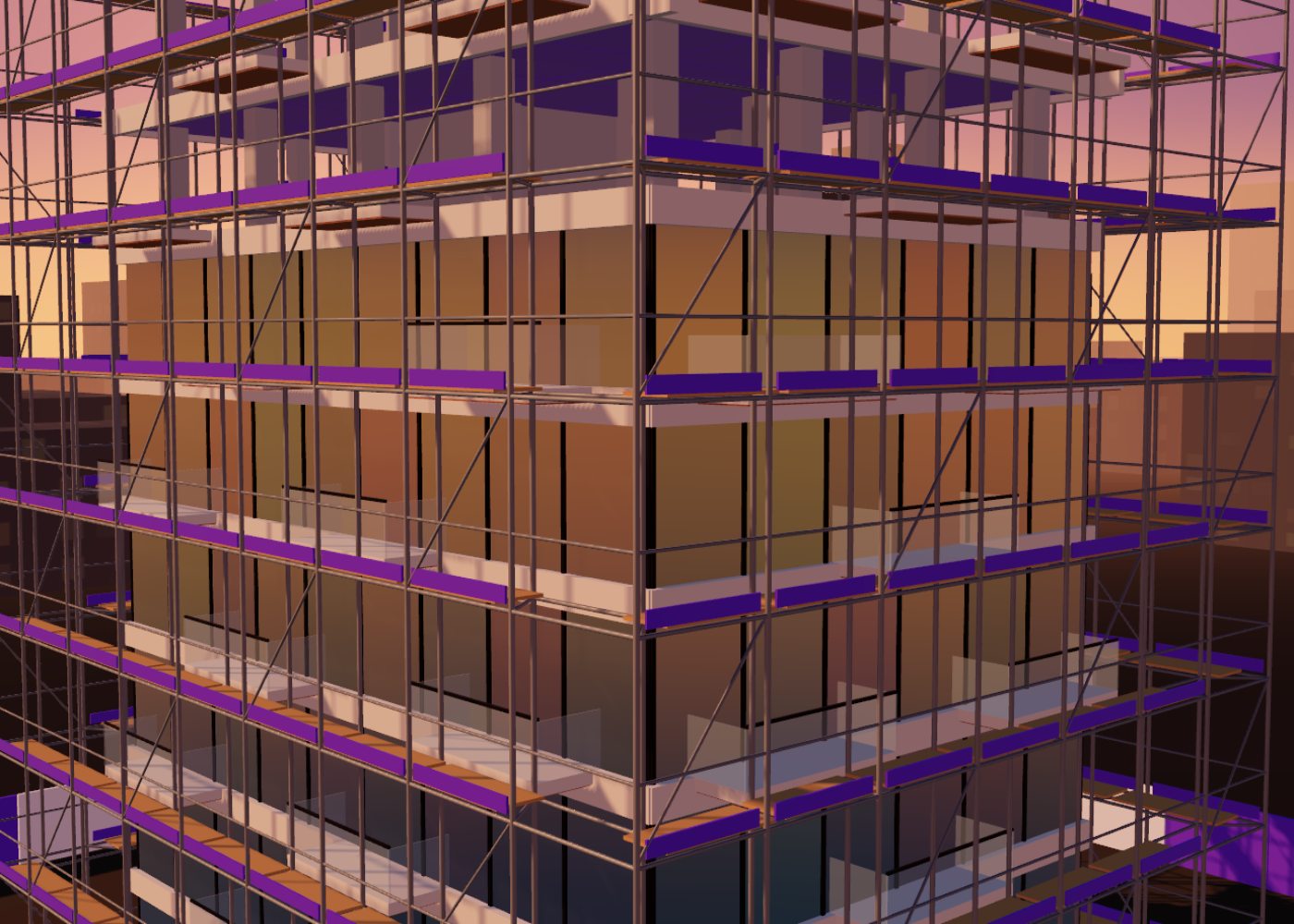
On a concrete site, three kinds of temporary works carry the job until the permanent structure can stand on its own: formwork, falsework and shoring. The words are often used as if they meant the same thing. They do not, and mixing them up can blur who designs what, who checks it, and when it can safely come down.
Formwork: the mould
Formwork is the temporary mould that gives fresh concrete its shape. Vertical formwork forms walls and columns; horizontal formwork forms slabs, beams and decks. Panels can be made of timber, plywood, steel, aluminium or plastic, often as modular systems that are assembled, filled with concrete, struck and reused.
Formwork stays in place until the concrete has gained enough strength to hold its own shape and, for slabs, enough strength to carry its own weight with the help of props.
Falsework: the temporary support
Falsework is any temporary structure that supports a permanent structure, and its formwork, until that structure becomes self-supporting. Typical examples are the support under a bridge deck, an arch or a high soffit. Falsework carries large loads and is designed as a structure in its own right.
Shoring: carrying loads while the work progresses
Shoring usually refers to props, frames and towers that carry loads during construction, such as the props under a freshly cast slab or the back-propping that spreads loads down through floors already built. The term is also used for supporting excavations and existing buildings during works.
How they work together
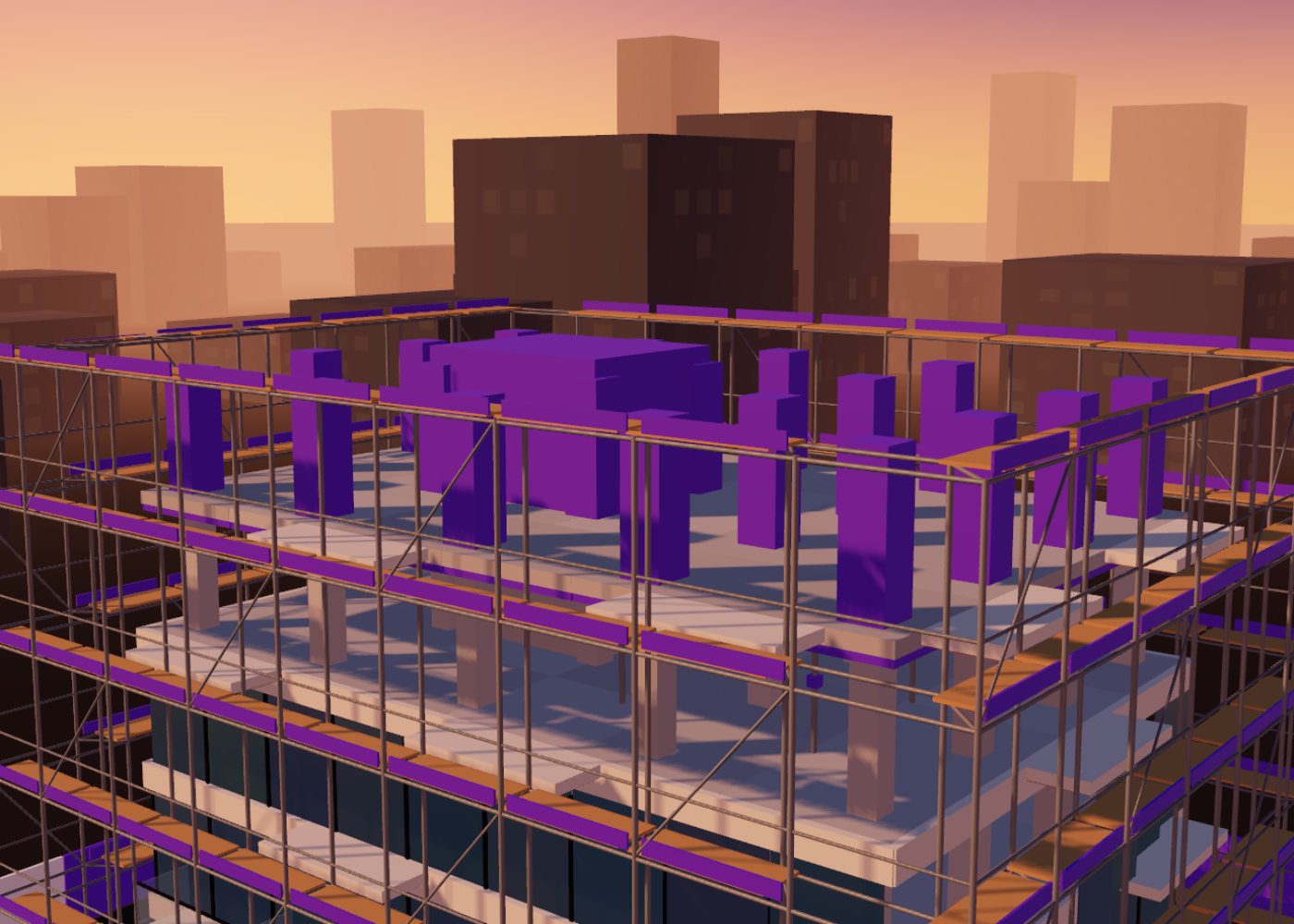
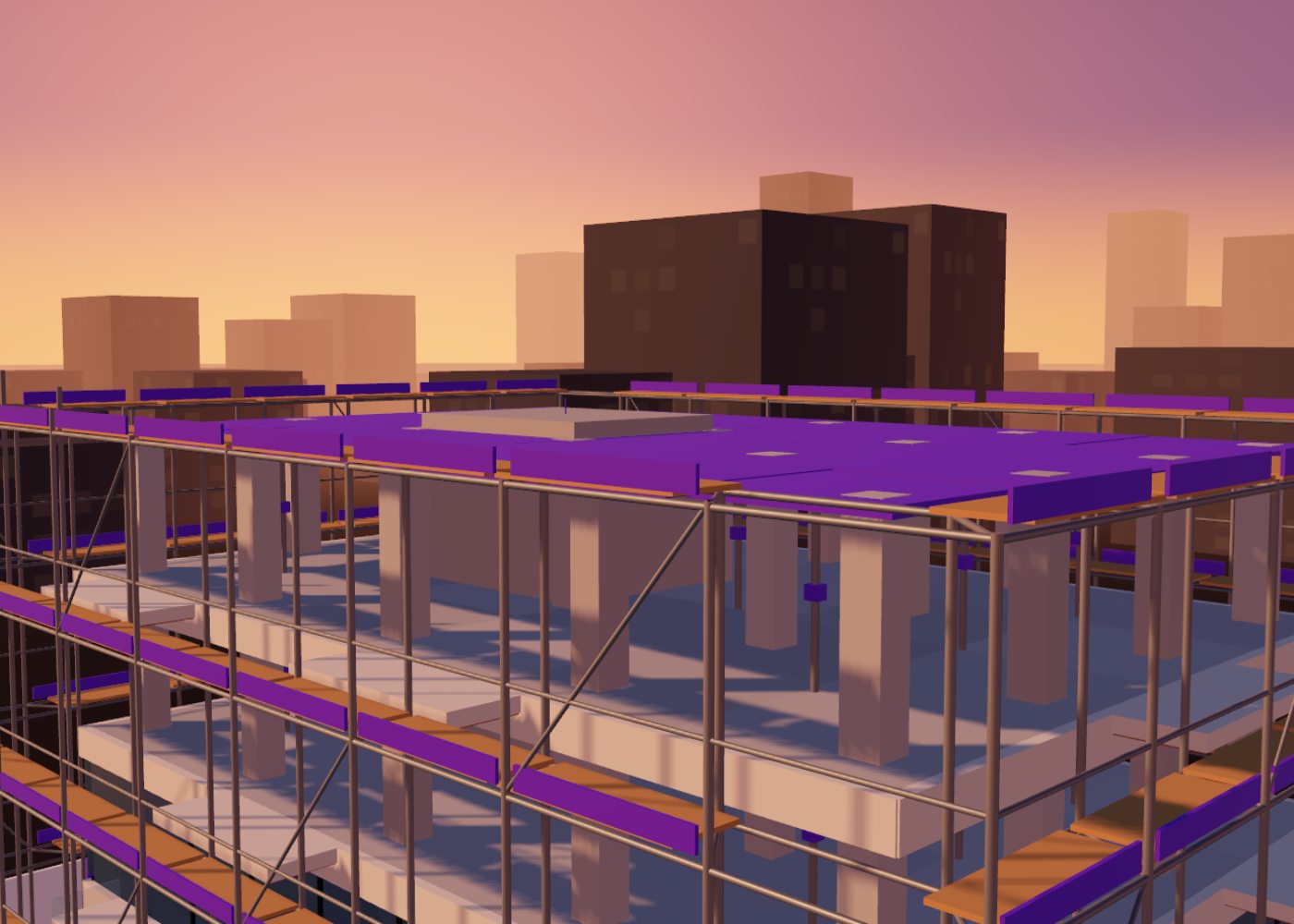
Take a floor slab. Tables or panels form the underside of the slab: that is formwork. Props and towers hold those tables at the right level and carry the weight of wet concrete, workers and equipment down to the floor below: that is shoring, part of the falsework. Once the concrete has cured, the formwork is struck, and some props may stay as back-props until the slab can carry construction loads alone.
Why the distinction matters
- Design: each element needs its own design check for the loads it carries.
- Sequence: striking formwork and removing props follow different rules and timings.
- Inspection: temporary works should be checked before loading, after changes and after severe weather.
Getting the vocabulary right is the first step to a clear temporary works plan, where everyone knows what each piece of equipment is there to do.